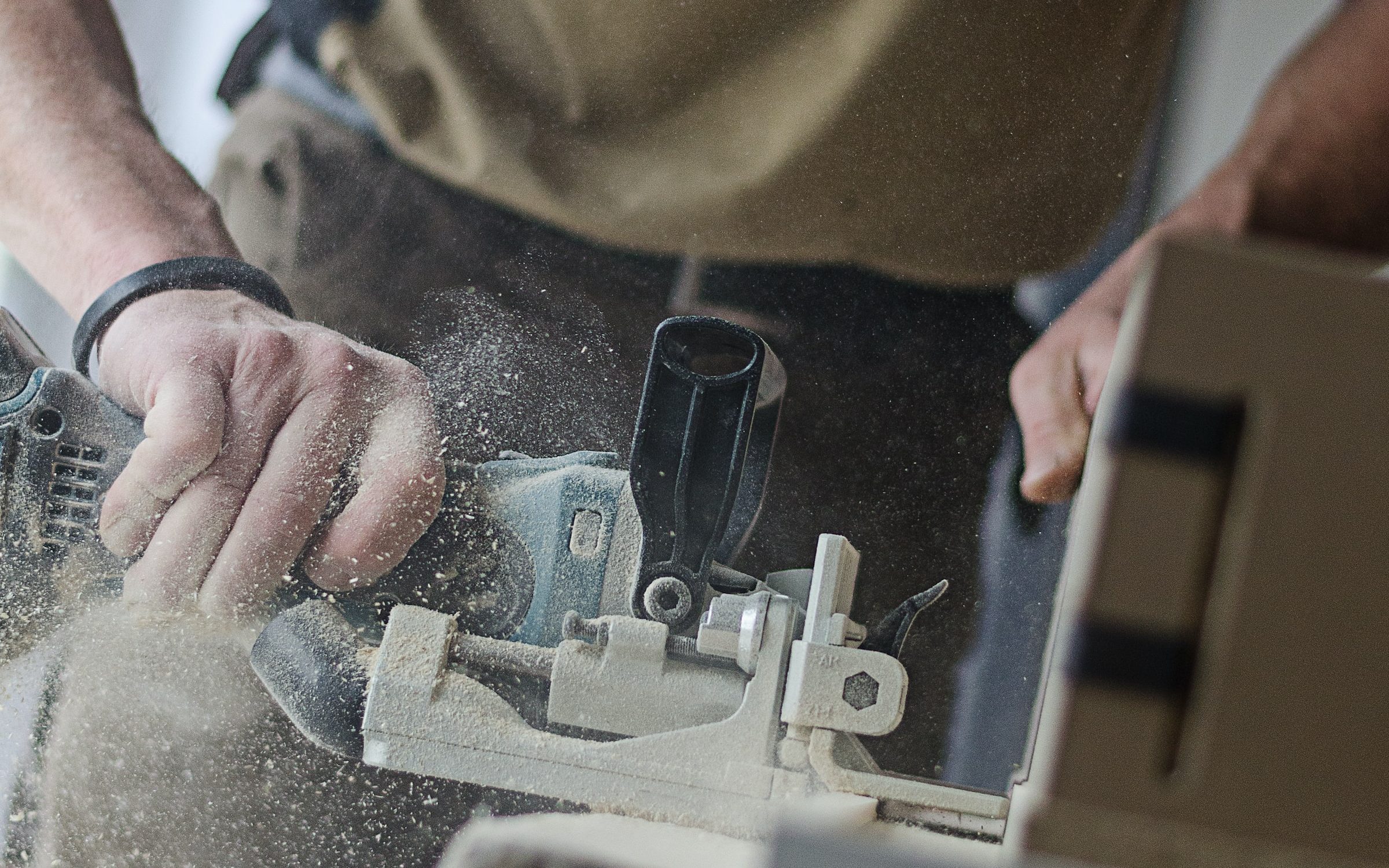
Welcome to the home of DIY and construction Blogging, the ultimate resource for all things related to woodworking, plastics, construction, and other DIY projects. Whether you’re a beginner looking for tips and advice or an experienced professional in search of new ideas and inspiration, we’ve got something for everyone. Our blog articles are written by experts in their respective fields who share their knowledge to help others build beautiful pieces of work. Check out our blog page for articles about the latest trends in materials and techniques as well as time-tested tips from seasoned craftsmen. If you have any questions or comments about any of our content, feel free to reach out; we’d love to hear from you!

Featured Articles
- An Easy DIY Guide to Installing Your Wine Cooler
- Understanding Threaded Fasteners: A Guide to Nuts, Bolts, and Screws
Resources & Tips
We also offer plenty of resources and tips to get you started on your own projects. Check out our resources section for helpful guides and tools designed specifically with DIYers in mind. Learn how to select the right materials, plan ahead properly, and troubleshoot common issues when building with wood or plastic. And don’t forget our expert advice section where professional craftsmen share their experiences and give their best tips on completing your project successfully.
Join the Community
We’re more than just a blogging platform — we’re a community dedicated to helping each other become better builders! Join us today and gain access to exclusive discounts on materials as well as being featured on our projects showcase page. You can join the conversation by posting comments on blog posts and asking questions in our discussion forums. Be part of something bigger — join DIY Blogging today!